
UV DTF technology is driving innovation in digital printing; cold transfer technology combined with full-material compatibility is redefining the custom printing industry.
In 2026, UV DTF (ultraviolet direct-to-film transfer) rapidly gained widespread adoption in digital customization, cultural and creative gifts, industrial signage, and packaging decoration due to its core advantages of cross-material compatibility, heat-free application, high durability, and cost-effectiveness for small batches. It has become the mainstream alternative to traditional hot stamping, screen printing, and conventional thermal transfer, propelling personalized production into a new phase characterized by efficiency, low cost, and broad applicability.
The UV DTF process integrates UV LED curing with AB film cold transfer technology: first, CMYK, white ink, and varnish are printed on a specialized A film and immediately cured by UV light; then the B film carrier is laminated onto it, and patterns are transferred via cold pressure peeling. The entire process requires neither a heat press nor substrate pretreatment—adhesion occurs simply by hand pressure—and ensures strong bonding to nearly all hard surfaces including glass, metal, ceramic, acrylic, wood, and rigid plastics. The patterns are scratch-resistant, waterproof, and UV-resistant, with color saturation and detail accuracy significantly superior to traditional methods.
Compared to traditional printing, UV DTF offers three revolutionary advantages: First, zero-barrier compatibility that overcomes limitations of heat-sensitive materials, enabling print runs starting from a single piece with controllable costs, addressing the pain point of high minimum order requirements and unprofitability in small-screen printing; Second, exceptional efficiency—prints dry immediately after application and can be transferred without drying, significantly shortening delivery cycles; Third, cost reduction and efficiency improvement, as a single system covers multiple customization categories, eliminating the need for dedicated machines, reducing consumable waste, and better aligning with on-demand production and flexible manufacturing trends.
Industry data indicates that the global UV direct transfer printing market continues to expand, with the UV DTF equipment and consumables market projected to reach $1.98 billion by 2031. Since 2026, domestic cultural and creative stores, gift manufacturers, electronic component producers, and packaging companies have accelerated adoption of UV DTF solutions across a wide range of applications—from phone cases, water cups, and medals to cosmetic packaging, industrial panels, and outdoor signage—making it a key technology for small and medium-sized businesses to upgrade their product lines and enhance profit margins.
Industry experts note that UV DTF employs a production approach combining cold transfer printing, full-material coverage, and high-durability customization, catering not only to Generation Z’s demand for personalized and niche products but also addressing enterprises’ needs for cost reduction, efficiency improvement, and rapid iteration. With advancements in equipment miniaturization, eco-friendly inks, and standardized processes, UV DTF is set to expand into sectors such as consumer goods, automotive interiors, and medical labeling, transforming digital printing from being “fabric-specific” to enabling printing on virtually any surface.
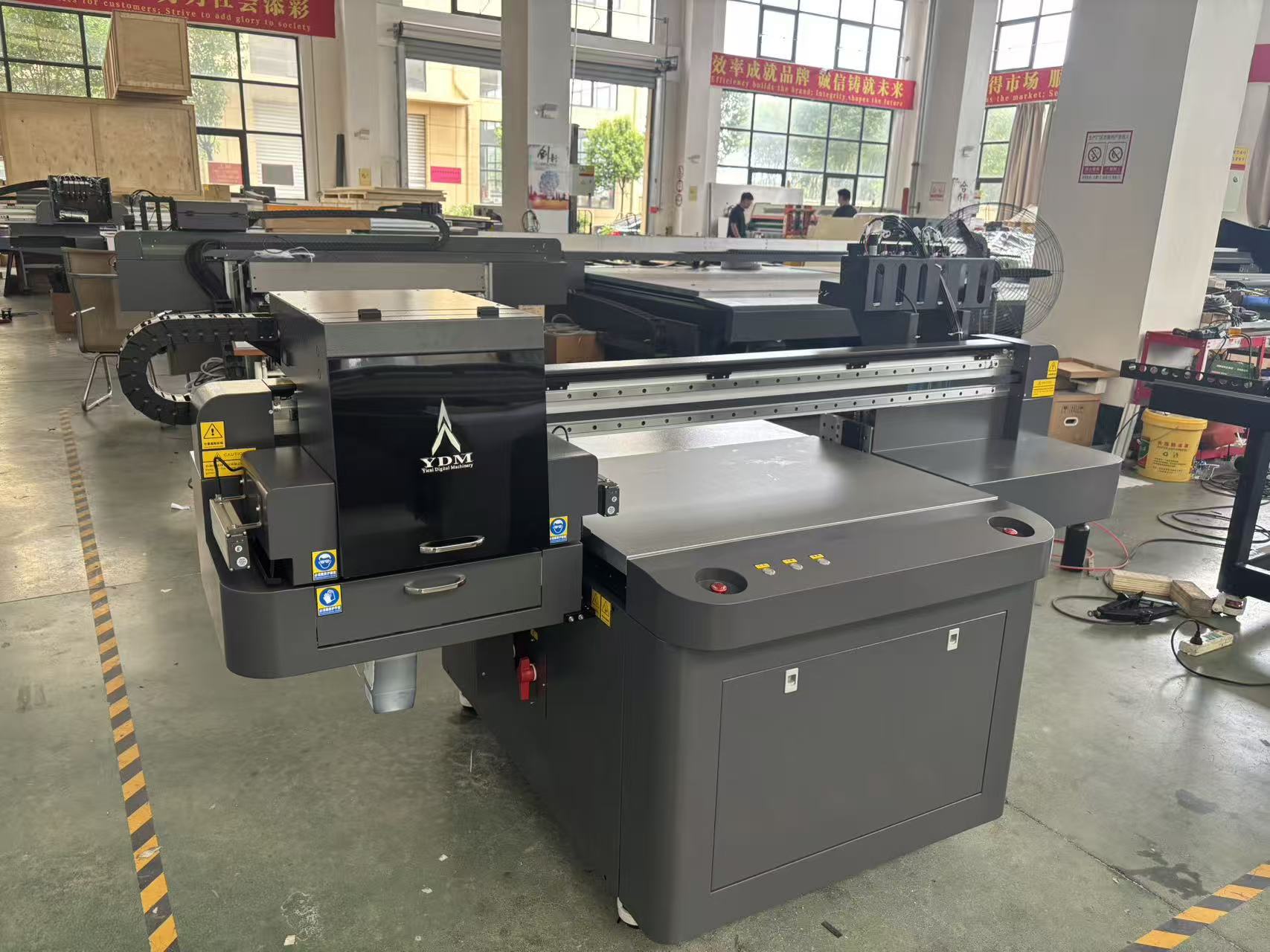
Looking ahead, UV DTF technology will evolve toward higher precision, faster production capacity, and more environmentally friendly materials. By integrating with AI-driven design and automated cutting, it will establish a comprehensive digital customization ecosystem spanning from design to delivery, injecting new momentum into both the printing industry and the real economy.
Post time: Jun-18-2026


